
What distinguishes an effective academic leader in today’s rapidly evolving higher education landscape? As universities contend with mounting demands for institutional performance, research excellence, and student success, leadership development for academic leaders has emerged as a critical lever for sustaining organizational vitality. Modern approaches extend beyond traditional administrative training, encompassing strategic foresight, ethical discernment, and capacity for transformational change.
Institutions seeking to advance must also consider frameworks that support improving school governance and management, ensuring that decision-making is both evidence-informed and aligned with long-term goals. By integrating these methodologies, academic leaders are better equipped to foster resilient, adaptive, and forward-looking universities capable of responding to complex educational challenges while nurturing faculty, staff, and student communities.
Redefining Leadership Development for Academic Leaders
| Core Concept | Practical Application |
| Competency Frameworks for Modern Academic Administration | Academic leadership today requires more than managerial proficiency; it demands analytical rigor, cross-functional coordination, and judicious stewardship of resources. Implementing evidence-led decision models enables leaders to align departmental objectives with broader institutional priorities. Strategic delegation and interdepartmental collaboration reinforce operational efficiency while cultivating faculty engagement. |
| Ethical Reasoning and Leadership Conduct | Navigating complex governance landscapes calls for ethical discernment and principled decision-making. Leaders must mediate competing stakeholder interests while maintaining institutional credibility. Structured reflective practices, mentorship in ethical dilemmas, and scenario-based simulations can strengthen moral acuity and fortify trust across academic communities. |
Key Takeaways:
- Competency frameworks are essential for aligning leadership behavior with institutional vision.
- Ethical reasoning ensures sustainable decision-making and bolsters credibility among faculty and stakeholders.
Governance and Management Reform in Academic Institutions
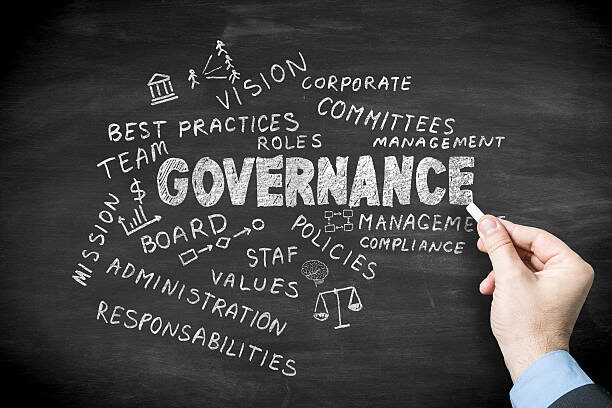
Contemporary universities operate within intricate administrative ecosystems that demand clarity, accountability, and intellectual leadership. Strengthening and improving school governance and management begins with rethinking how authority, communication, and academic priorities are structured across departments and committees. Leaders who cultivate transparency and scholarly dialogue foster environments where faculty and administrative teams can collaborate with confidence and intellectual maturity.
Structural Design That Reinforces Academic Integrity
Institutions benefit from governance models that distribute responsibility thoughtfully across academic bodies. Senate groups, departmental chairs, and advisory councils contribute to institutional direction when their voices are integrated into planning and evaluation cycles. This shared structure supports strategic leadership in higher education, enabling decision-makers to align vision, mission, and operational practices.
Management Practices That Strengthen Institutional Operations
Effective management rests on clear expectations, data-informed planning, and consistent review processes. Resource allocation becomes more coherent when guided by analytical evaluation rather than habit or tradition. These approaches align with educational leadership best practices, encouraging administrators to refine procedures, elevate academic support structures, and reinforce institutional identity.
Building Internal Capacity for Growth
Forward-thinking administrators examine long-term priorities, research expansion, and program diversification to sustain progress. This direction reflects academic organizational growth strategies that enable institutions to respond to shifting demands and cultivate intellectual resilience.
Professional Learning Structures
Many universities rely on university leadership programs to sharpen administrative talent and prepare emerging academics for executive roles. These programs nurture reflective thinking, leadership presence, and operational fluency, positioning faculty members to assume broader responsibilities within their institutions.
University Leadership Programs: Expanding Models and Expectations
Modern institutions increasingly depend on structured development pathways to cultivate future academic executives. These pathways strengthen administrative literacy, intellectual foresight, and operational discipline, traits indispensable for sustaining high-functioning universities.
Program Structures That Deepen Leadership Capacity
- Executive seminars equipped with a research-based curriculum
- Leadership residencies that expose participants to complex institutional planning cycles
- Coaching frameworks that refine communication ability, decision temperament, and interpersonal maturity
Institutional Benefits of Advanced Training Models
- Sharpening analytical interpretation for budget planning and enrollment forecasting
- Increasing faculty preparedness for administrative succession
- Encouraging reflective habits is essential for responsible academic leadership.
Scholar Preparation Through Mentorship Networks
Rigorous mentorship arrangements within university leadership programs provide emerging leaders with access to experienced administrators and diverse perspectives on governance. Such networks improve judgment quality and strengthen confidence when navigating cross-departmental challenges.
Evaluation and Continuous Refinement
- Regular competency reviews and performance observations
- Participant feedback is used to strengthen the curriculum.
- Benchmarking against national academic leadership standards
Strategic Leadership in Higher Education
Modern university environments present leaders with intricate academic, financial, and demographic challenges. Sustained progress depends on long-range planning, intellectual adaptability, and a sophisticated grasp of institutional systems. Leaders who demonstrate analytical depth and reflective judgment can articulate priorities that match the university’s character, research mission, and instructional philosophy.
They also advance organizational coherence by aligning departmental aims with shared academic direction, strengthening trust between faculty groups and senior administration. Such qualities form the foundation of strategic leadership in higher education, shaping decision cultures that remain steady through shifting conditions and internal pressures.

Academic executives must also cultivate awareness of institutional identity, recognizing how internal narratives and historical patterns influence present-day choices. This awareness helps prevent reactive policymaking, enabling leaders to maintain direction even during periods of enrollment fluctuation or accreditation scrutiny.
Educational Leadership Best Practices
Strong academic leadership depends on intellectual rigor, reflective decision-making, and a deep respect for institutional culture. These qualities help leaders anticipate organizational demands, guide faculty development, and reinforce student-centered values across the academic environment. Within this landscape, educational leadership best practices serve as a foundation for administrative stability and academic distinction.
Communication that Strengthens Institutional Community
Transparent dialogue between faculty, staff, and executive offices cultivates collegial trust. Leaders who articulate priorities clearly and invite intellectual debate encourage shared ownership of institutional direction.
Faculty Development and Academic Mentorship
Guided mentorship improves scholarly productivity and promotes teaching innovation. Faculty who receive structured support integrate contemporary pedagogy, improve research visibility, and contribute to academic vibrancy.
Adaptive Leadership Culture
Universities that nurture adaptive thinking remain resilient during structural or demographic change. Leaders who value creativity, experimentation, and constructive feedback can redirect academic strategy without destabilizing morale.
Organizational Growth Strategies in Academic Settings
Universities must continuously refine their structural capacities to remain intellectually competitive and financially resilient. Strengthening internal systems requires purposeful planning, leadership discipline, and institutional coherence across academic units. In this context, academic organizational growth strategies support sustainable development and help universities build a stable foundation for future expansion.
- Diversification of Academic Portfolios
Developing new academic concentrations, research clusters, and interdisciplinary programs broadens institutional appeal and strengthens enrollment pathways. This diversification also improves research funding opportunities and promotes scholarly collaboration across fields.
- Resource Alignment With Academic Priorities
Strategic resource allocation directs funding toward research excellence, student achievement, and academic innovation. Leaders who reassess distribution patterns encourage departments to pursue long-term accomplishments rather than short-term fixes.
- Strengthening Institutional Identity and Reputation
Public scholarship, community partnerships, and strong graduate outcomes enhance the university’s external profile. A unified institutional narrative helps attract prospective students and build donor confidence.
- Reinforcing Internal Administrative Systems
Routine assessment of workflow structures and technological processes reduces inefficiencies. Clear documentation and accountability measures support consistent performance across operational units.
- Commitment to Faculty Advancement
Recruiting and retaining high-caliber faculty members deepens research output and elevates intellectual culture. Structured recognition, mentorship, and promotion protocols help sustain academic excellence.
Technology-Driven Transformation in Leadership Development
Digital tools are redefining how academic leaders evaluate institutional complexity, interpret performance data, and engage with faculty communities. Advanced platforms support analytical thinking, improve administrative clarity, and strengthen long-term planning. Emerging technologies also expand access to leadership training, allowing universities to cultivate rising administrators through remote learning environments and interactive simulations that mirror real governance scenarios.
Core Technological Contributions
- Data interpretation platforms assist leaders in examining enrollment patterns, student progress, and departmental productivity.
- Virtual leadership labs create controlled environments for scenario testing, reflective learning, and decision rehearsal.
- AI-assisted reporting structures support more precise forecasting and provide clearer institutional visibility.
- Digital communication suites help leaders maintain strong academic networks across campuses and research centers.
- Interactive training modules offer flexible development pathways for emerging administrators.
Challenges Confronting Future Academic Leaders
Academic executives entering the coming decades will face complex institutional demands that require intellectual resilience and thoughtful adaptation. These challenges shape leadership expectations and influence how universities prepare their next generation of administrators.
Problem 1: Faculty Workforce Shifts
The academic labor structure is changing as retirements rise and early-career scholars seek clearer advancement pathways.
Response: Leadership training that prioritizes succession planning and mentorship continuity can stabilize departmental culture and preserve intellectual capital.
Problem 2: Student Demographic Transitions
Enrollment patterns are evolving, with shifting preferences in program style, delivery format, and academic interest.
Response: Leaders who interpret enrollment data and engage student communities meaningfully will guide institutions toward relevant curriculum development and service refinement.
Problem 3: Expanding Administrative Responsibility
Many leaders now manage responsibilities once delegated to specialized offices, increasing complexity and cognitive load.
Response: Structured reflection routines, coaching models, and strong administrative support networks can reduce burnout and strengthen decision quality.
Structured Leadership Advancement for Higher Education With Steven Strategy
Stevens Strategy offers institutions a sophisticated framework for administrative growth, leadership strengthening, and strategic planning within higher education. Our approach combines analytical discipline with deep sector knowledge, assisting universities in shaping administrative direction while supporting academic quality and institutional identity.
Value Pillars
- Strategic Planning Precision: Our team works closely with university leaders to establish clear planning structures that refine institutional focus and cultivate coherent priorities across departments.
- Organizational Leadership Consulting: Our advisory model strengthens internal leadership cultures, guiding administrators through decision refinement, governance improvement, and communication development.
- Accreditation and Compliance-Informed Support: Stevens Strategy also offers policy manual development that reinforces documentation clarity and procedural transparency, supporting institutions as they maintain accreditation expectations and internal consistency.
Conclusion
Universities are entering a period defined by intellectual complexity, heightened stakeholder expectations, and rapid shifts in academic culture. Leadership preparation must keep pace with these realities, empowering administrators to guide institutional vision, protect academic integrity, and uphold the scholarly mission with confidence.
Academic transformation begins with informed leadership support. Partner with Stevens Strategy to develop stronger planning frameworks, refine governance practices, deepen administrative expertise, and cultivate leadership cultures that champion academic excellence.
Elevate your institution’s direction with guidance grounded in research, experience, and higher education insight. Start the conversation and build the leadership architecture your university deserves.