

A university’s culture is defined by the vision and integrity of its leaders. Through educational leadership strategies, institutions shape their academic identity, strengthen community engagement, and maintain a clear sense of purpose.
Strong governance plays a defining role in this process. When guided by institutional governance enhancement, leadership becomes a shared responsibility that encourages accountability and collaboration across all levels.

As demand for adaptive, mission-driven leadership grows, universities are investing in leadership development programs that prepare future leaders to uphold academic excellence while navigating change with clarity and resilience.
Defining Educational Leadership in the Modern University Context
Effective leadership in universities is defined by vision, values, and the ability to balance tradition with innovation. Leaders shape institutional culture through strategic decisions that resonate across faculty, administrators, and students.
Vision and Values
Leaders translate shared academic values into actionable guidance, aligning faculty and staff around the institution’s mission. This alignment fosters a cohesive culture and reinforces transparency in decision-making.
Balancing Tradition with Innovation:
Universities must preserve their academic heritage while evolving to meet contemporary challenges. By applying organizational change management in education, leadership bridges legacy systems with modern practices, ensuring progress does not compromise identity.
Leadership Development Programs: Building the Next Generation of Academic Leaders
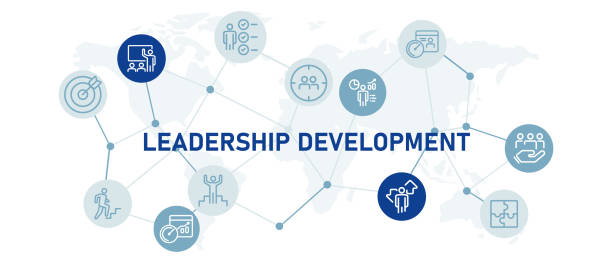
Universities are increasingly recognizing that cultivating future leaders is essential to sustaining institutional culture. Leadership development programs provide structured pathways for emerging academic leaders, equipping them with the skills, insights, and vision to drive long-term success.
Investing in Internal Leadership Pipelines
Developing leaders from within ensures continuity and strengthens cultural alignment:
- Identify high-potential faculty and staff for mentorship and growth
- Offer structured training and rotational leadership opportunities
- Foster decision-making capabilities that reflect institutional values
Embedding Cultural Intelligence in Leadership Training
Modern leadership goes beyond administrative skills; it requires awareness and adaptability:
- Programs incorporate inclusive practices to mirror campus diversity
- Leaders learn to communicate transparently and act ethically
- Training emphasizes resilience, collaboration, and strategic thinking
By implementing comprehensive leadership development programs, universities not only prepare leaders for immediate responsibilities but also instill practices that propagate a culture of excellence, accountability, and innovation throughout the institution.
Academic Leadership Coaching and Its Cultural Impact
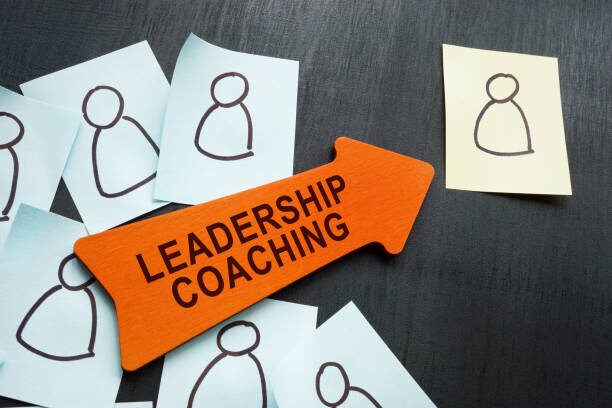
Universities increasingly recognize that leadership development extends beyond programs; it thrives through personalized guidance. Academic leadership coaching empowers leaders to influence culture, strengthen teams, and elevate institutional performance.
Key Benefits of Tailored Coaching:
- Customized strategies address the specific needs and challenges of each institution
- Leaders enhance skills in strategic decision-making, collaboration, and resilience.
- Coaching fosters adaptability, preparing leaders to navigate complex academic landscapes
Transformational Outcomes:
- Improved faculty engagement and cross-departmental collaboration
- Leaders model ethical, inclusive, and culturally aware practices
- Positive behaviors ripple across the institution, reinforcing shared values and cohesion
By embedding academic leadership coaching into institutional frameworks, universities ensure that leadership impact is enduring, shaping culture, enhancing accountability, and fostering alignment between vision and daily operations.
Organizational Change Management in Education

Why Change Matters
Universities operate in dynamic environments where student needs, technology, and policy expectations evolve rapidly. Leaders who master organizational change management in education guide institutions through transformation without eroding cultural identity.
Case Highlight: Digital Curriculum Rollout
When a university introduced an online learning platform, initial faculty resistance threatened adoption. By embedding change management principles:
- Stakeholders were engaged early in planning
- Training programs addressed skill gaps and anxiety
- Communication reinforced alignment with the university’s mission
Impact on Culture
- Resistance decreased as staff felt heard and supported
- Collaboration across departments strengthened
- Institutional identity remained intact while embracing innovation
Strategic Lesson
Change is most effective when leaders treat it as a cultural exercise rather than just an operational task. Thoughtful, mission-aligned approaches turn transformation into an opportunity to reinforce values, strengthen networks, and enhance institutional resilience.
School Leadership Capacity Building: From Individuals to Systems
Universities thrive when leadership is cultivated at every level. School leadership capacity building strengthens the ecosystem by connecting individual development with system-wide impact.
Level 1: Individual Leaders
Focus: Skill development, mentorship, and personal growth
Outcomes:
- Enhanced decision-making and problem-solving abilities
- Leaders capable of modeling ethical and inclusive behaviors
- Improved faculty engagement and motivation
Level 2: Departmental Leadership Networks
Focus: Collaborative structures and cross-functional coordination
Outcomes:
- Stronger interdepartmental communication
- Shared vision and accountability
- Alignment of departmental goals with institutional mission
Level 3: Institutional Systems
Focus: Integration of leadership into policy, governance, and strategy
Outcomes:
- Leadership embedded in institutional culture
- Sustainable pipelines for future leaders
- Evidence-based evaluation of leadership effectiveness
By approaching leadership development as a multi-level system, universities create resilient structures where leaders at all levels reinforce cultural values, drive collaboration, and sustain institutional excellence.
Stevens Strategy: Advancing Leadership and Institutional Culture
Universities often struggle to translate leadership initiatives into meaningful cultural impact. Misaligned governance, fragmented leadership pipelines, and inconsistent strategic direction can weaken institutional identity.

Stevens Strategy Approach:
- Implements educational leadership strategies tailored to each university’s mission and vision
- Develops leadership development programs that cultivate emerging leaders and reinforce values
- Integrates organizational change management in education to support smooth transitions and cultural continuity
- Aligns governance frameworks with compliance-informed best practices and strategic foresight
Impact:
- Stronger alignment between leadership and institutional goals
- Sustainable pipelines of skilled, mission-driven leaders
- Cohesive culture that bridges operational effectiveness and academic excellence
- Evidence-based approaches that ensure ongoing improvement and organizational resilience
By combining expertise in leadership, governance, and change management, Stevens Strategy transforms leadership into a cultural asset, helping universities embed excellence, accountability, and collaboration across every level of the institution.
Conclusion
Universities that prioritize leadership understand that culture is not an abstract concept—it is built, sustained, and reinforced by those at the helm. From shaping vision and values to embedding governance practices, every decision contributes to an institution’s identity. By investing in educational leadership strategies, universities create ecosystems where leaders, faculty, and students thrive together.
Ready to transform your campus culture?
Partner with Stevens Strategy to implement leadership frameworks that strengthen governance, develop future leaders, and embed lasting cultural excellence. Take the first step toward a university where leadership is more than a title; it’s a strategic, cultural investment.