

A Guide to Choosing the Best Higher Education Consulting Firms for Your Institution’s Needs
In higher education, institutions face increasing complexity and competition. How can they secure growth and long-term success? Many university leaders turn to the best higher education consulting firms for strategic guidance. These experts help navigate academic, operational, and administrative challenges.

Strategic planning in higher education is essential for aligning objectives with measurable outcomes. It strengthens academic quality and improves organizational effectiveness. Evidence-based frameworks allow consultants to refine decision-making, optimize resources, and foster innovation across academic and administrative areas.
This guide outlines how to select the right consulting partner. It includes actionable college strategic planning tips and techniques for developing robust university strategic plans that support sustainable advancement.
Role of Higher Education Consulting Firms
Higher education consulting firms serve as strategic partners for universities. They provide expertise that strengthens leadership, academic operations, and institutional outcomes. The following subsections outline their core functions, problem-solving approaches, and areas of distinction.
Core Functions Supporting Leadership and Stakeholders
- Assist university executives in aligning institutional goals with actionable plans.
- Facilitate collaboration among faculty, staff, and governing bodies.
- Provide insights into resource allocation, performance metrics, and organizational efficiency.
Addressing Structural, Operational, and Academic Challenges
- Evaluate academic programs for effectiveness and relevance.
- Optimize administrative processes and workflow efficiency.
- Support institutional change management through targeted interventions.
Where the Best Higher Education Consulting Firms Excel
- Deliver research-driven recommendations grounded in data and analytics.
- Tailor strategies to the institution’s unique mission and vision.
- Maintain high engagement with stakeholders to ensure plans are actionable and sustainable.
Strategic Planning in Higher Education: Foundations for Institutional Direction
Strategic planning is the backbone of institutional growth. It ensures that universities translate vision into actionable priorities. Without a structured plan, programs risk inefficiency and misalignment with core objectives.
Core Components
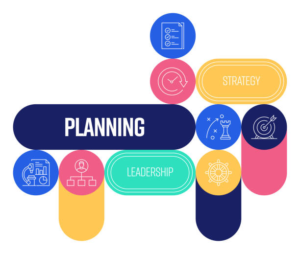
Effective planning focuses on three pillars:
- Vision Alignment – Connects every initiative to the university’s mission.
- Outcome Orientation – Measures success through clear, attainable goals.
- Resource Optimization – Ensures academic and administrative assets are used efficiently.
Aligning mission, outcomes, and long-term objectives is critical. Institutions must ensure programs, research, and initiatives advance overarching goals while remaining adaptable to changing environments.
Research-Driven Approach
Institutions benefit from frameworks informed by data and analytics. Benchmarking, performance metrics, and evidence-based strategies guide academic pathways and operational decisions.
College Strategic Planning Tips for Modern Institutions

- Tip 1: Engage All Stakeholders
Consult faculty, administrators, and student representatives. Broad engagement ensures planning reflects institutional needs and diverse perspectives.
- Tip 2: Define Measurable Objectives
Set clear, quantifiable goals for academic programs, research initiatives, and operational efficiency. This helps track progress and guide decision-making.
- Tip 3: Align Initiatives with Institutional Mission
Every project or program should advance the university’s vision. Alignment strengthens purpose and supports long-term success.
- Tip 4: Integrate Data-Driven Insights
Use institutional data, benchmarking, and performance analytics. Evidence-based approaches guide resource allocation and policy decisions.
- Tip 5: Build Flexibility into Plans
Plan for evolving educational trends and operational challenges. Flexibility allows institutions to adapt without losing strategic focus.
- Tip 6: Review and Refine Regularly
Strategic planning is iterative. Schedule frequent evaluations to assess progress and adjust initiatives as needed.
Quick Insight: Applying these college strategic planning tips ensures your institution develops actionable, sustainable, and measurable strategies.
Education Consulting for Administrators: What Leaders Should Expect

Higher education administrators often face complex challenges. Consulting firms like Steven Strategy guide clients in navigating these effectively. Here is what leaders can expect:
Step 1: Targeted Administrative Support
Services focus on provosts, deans, and department chairs. Consultants help align departmental goals with institutional priorities. Leadership receives tools to improve decision-making and operational efficiency.
Step 2: Diagnostic Program Reviews
Consultants conduct thorough evaluations of academic programs and administrative workflows. These reviews identify strengths, gaps, and opportunities for improvement. The goal is actionable insights for measurable institutional enhancement.
Step 3: Advisory Models for Organizational Transition
Advisory frameworks guide leadership through structural or procedural changes. They help manage team development, optimize governance, and implement new strategic initiatives effectively.
Outcome
Leaders gain clarity, informed strategies, and support for achieving academic and operational excellence. Engaging experts in educational consulting for administrators ensures smooth transitions and the achievement of objectives.
University Improvement Strategies: Frameworks for Institutional Strengthening
Improving institutional performance requires structured strategies. Universities benefit from frameworks that enhance academics, operations, and student outcomes.

Program Quality Enhancement
Focus on elevating curriculum relevance, teaching methods, and student engagement.
- Regularly assess courses for rigor and impact
- Benchmark against leading institutions
- Incorporate feedback from faculty and students
Operational Efficiency
Streamline administrative workflows and resource management to maximize institutional capacity.
- Optimize staffing and departmental processes
- Implement data-driven decision-making
- Align budgets with strategic priorities.
Performance Analytics and Benchmarking
Use quantitative and qualitative data to evaluate outcomes.
- Monitor academic and operational metrics
- Compare performance with peer institutions
- Identify areas for continuous improvement.
Leadership and Stakeholder Development
Strengthen institutional governance and administrative capabilities.
- Provide training for department heads and administrators
- Foster collaboration across teams
- Align leadership practices with long-term goals
Strategic Growth Initiatives
Plan for future programs, research opportunities, and partnerships.
- Develop scalable academic offerings
- Explore innovative research collaborations
- Support sustainable expansion aligned with the mission
Key Criteria for Selecting the Best Higher Education Consulting Firms

Choosing the right consulting partner is critical for institutional success. The following criteria help guide your decision.
Expertise and Qualifications
- Assess consultants’ academic and professional credentials.
- Look for experience in higher education leadership and administration.
- Ensure methodological depth supports comprehensive strategic initiatives.
Research Capability and Proven Track Record
- Evaluate prior case experience in universities similar to yours.
- Confirm the use of data-driven, evidence-based approaches.
- Examine the rigor of analyses and the clarity of recommendations.
Communication and Deliverables
- Review clarity and transparency in proposals and reports.
- Confirm project scopes align with institutional objectives.
- Ensure deliverables are actionable, measurable, and tailored to your needs.
Selecting a partner with strong credentials, analytical rigor, and effective communication ensures your institution benefits from the best higher education consulting firms.
How to Evaluate Proposed Methodologies and Deliverables
Evaluating consulting proposals is critical for institutional success. Universities must focus on clarity, feasibility, and analytical depth to ensure strategies are actionable and practical.
Proposal Review
Carefully examine project blueprints. Ensure objectives, methodologies, and timelines are clearly defined. Well-structured proposals indicate alignment with institutional goals and strategic priorities.
Assess Practicality and Intellectual Depth
Recommendations should be feasible within the institution’s context. Look for evidence-based approaches, logical frameworks, and research-driven strategies. Practical and rigorous proposals yield measurable improvements.
Deliverables and Outcomes
Reports, timelines, and action plans must be precise and implementable. Clear deliverables ensure recommendations can be translated into operational success without ambiguity.
Finding Credible Vendors
Identifying reliable consultants is essential:
- Google: Research firms with visible expertise and documented results.
- Referrals: Seek advice from peer institutions or professional networks.
- Industry Partners: Collaborate with academic consortia or alliances to locate trusted providers.
Elevating Institutional Excellence With Stevens Strategy
Stevens Strategy concentrates exclusively on higher education consulting. Our expertise covers academic program optimization, operational refinement, and institutional planning. Each initiative is carefully tailored to the institution’s unique needs.
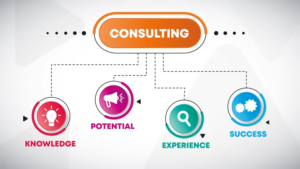
Our team employs a combination of research-driven analysis, stakeholder collaboration, and continuous evaluation. This approach ensures that university strategic plans are not only actionable but measurable over time.
Partnering with Stevens Strategy enables universities to implement effective strategic planning, improve student engagement, and elevate overall institutional performance.
Conclusion
Selecting a higher education consulting firm is one of the most critical decisions an institution can make. The right partner aligns with your mission, understands your challenges, and delivers actionable strategies that support long-term academic progress.
Evaluating methodology, expertise, and demonstrated outcomes ensures your institution engages consultants who provide practical, research-driven, and measurable results. Consider both the strategic approach and the firm’s track record to make an informed decision.
Partner with experts who can transform your institution’s vision into reality. Contact Stevens Strategy to explore tailored solutions in strategic planning in higher education and start building a path toward sustainable growth.
FAQs
- What services do higher education consulting firms provide?
Consulting firms offer guidance on strategic planning, academic program optimization, administrative efficiency, leadership development, and stakeholder engagement.
- How do I choose the best higher education consulting firms for my institution?
Look for demonstrated expertise, research-driven methodologies, measurable outcomes, and a proven track record in similar institutions.
- What is the role of strategic planning in higher education?
It aligns institutional objectives, operational processes, and academic programs to achieve long-term goals and measurable outcomes.
- How can Stevens Strategy support my university?
Stevens Strategy provides data-driven planning, stakeholder collaboration, and leadership support to help institutions implement effective university strategic plans.
- How can my institution find credible consulting vendors?
Use Google searches, seek referrals from peer institutions, and collaborate with industry partners or academic consortia to identify trustworthy firms.